
A rare buying window is opening in healthcare – and not where you might think
Originally appeared in Live wire markets


Healthcare is one of those investment themes that almost everyone agrees on. Ageing populations, rising demand for medical services and increasing pressure on public health systems are hardly controversial or revelatory observations.
Less widely appreciated is how those trends are reshaping the property market. As healthcare delivery shifts away from large hospitals and towards day surgeries, specialist clinics and integrated community-based care, a new category of healthcare infrastructure is emerging.
For investors, that opens up an opportunity to access an asset class that offers a rare combination of structural growth drivers, defensive diversified income characteristics and, in some cases, development-led value creation. As Real Asset Management’s Sam Wood sees it:
“Demand is growing, delivery is decentralising and supply is constrained.”
That combination is creating a powerful backdrop for healthcare real estate at a time when many traditional property sectors continue to grapple with uncertainty.
Indeed, Wood believes the current market environment may represent a particularly attractive entry point for investors.
“This is genuinely a once in a generation buyers’ market for those with the capability to execute.”
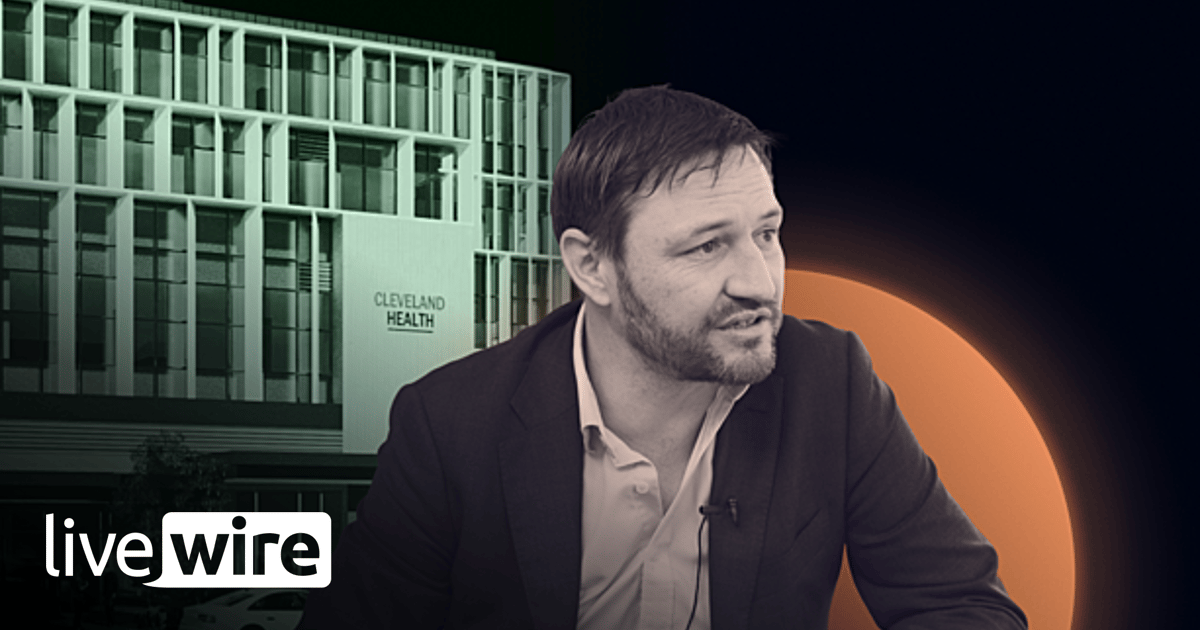
In the following Q&A, Wood explains why healthcare real estate remains one of Australia’s most compelling long-term investment opportunities and how projects like the Cleveland Day Surgery and Integrated Medical Hub demonstrate the value that can be created through active development.

Defensive by design
Healthcare real estate’s appeal begins with something fundamental – people do not stop needing healthcare when economic conditions deteriorate.
Wood argues that this essential-service characteristic makes healthcare property fundamentally different from many other commercial real estate sectors. Demand for medical services persists regardless of economic conditions, helping support occupancy levels and rental income through market cycles.
Importantly, healthcare assets typically benefit from significantly longer lease tenures than other property types. Anchor hospitals or major healthcare tenants will often commit to leases of 15 to 25 years, compared to typical retail leases of just five to seven years. This provides investors with extended income security and greater long-term visibility over cash flows.
In addition, major healthcare occupiers make substantial capital investments into highly specialised fit-outs, including theatres, diagnostic equipment and clinical infrastructure. This level of co-investment creates strategically important, long-term locations for operators and further reinforces tenant retention, as relocation is both costly and complex.
“Healthcare real estate isn’t just defensive because of how it’s leased, it’s defensive because of what it delivers.”
The defensive qualities are driven not simply by contractual arrangements but by the critical role these assets play within the healthcare system.
Why the opportunity exists today
While the long-term healthcare story is well understood, Wood believes current market conditions have created an unusually attractive opportunity for investors.
Higher construction costs and tighter development economics have significantly reduced new supply. At the same time, healthcare demand continues to expand as Australia’s population ages and care increasingly shifts into community settings.
Wood believes this imbalance between supply and demand is creating a window where quality healthcare assets can still be acquired or developed at attractive valuations.
He points to the RAM Australia Healthcare Opportunity Fund’s performance as evidence, with approximately 30.4% unit price growth since inception and annualised returns of around 14.2% over the past two years. Wood adds, however, that the headline numbers only tell part of the story.
“This performance wasn’t generated by buying stabilised healthcare assets and collecting rent. It was generated by creating assets.”
In his view, investors currently have access to a market where development constraints have reduced competition and asset pricing has yet to fully reflect long-term value.
Cleveland brings the strategy to life
If investors want a practical example of what that looks like, Wood points to the Cleveland Day Surgery and Integrated Medical Hub in Queensland.
The project was developed in a high-growth corridor east of Brisbane where population growth and service gaps created demand for additional healthcare infrastructure.
.png)
A key milestone was securing Ramsay Health Care as the anchor tenant early in the process.
“It validated the demand, locked in long-term income visibility and fundamentally changed the risk profile of the project.”
The project was delivered on budget and below replacement cost despite a challenging construction environment that has prevented many developments from proceeding.
Beyond the financial outcomes, Wood believes Cleveland demonstrates what separates a genuine healthcare asset from a conventional commercial building.
The precinct combines day surgery, specialist consulting suites, allied health services and primary care under one roof, creating an integrated healthcare ecosystem that benefits patients, practitioners and operators alike.
“That’s what differentiates a real healthcare asset from a building that happens to have clinical tenants.”
For investors, Cleveland provides a tangible example of how active development and operator relationships can create value beyond simply collecting rent.
The government tailwind investors should not ignore
Wood also points to growing government investment in healthcare as an important support for the sector.
Recent Federal Budget initiatives include significant funding for Medicare, urgent care clinics, community healthcare services and aged care reform. In Wood’s view, these investments are not temporary stimulus measures but part of a long-term commitment to expanding healthcare infrastructure.
The result is increased demand for exactly the kinds of facilities being developed across the healthcare property sector.
Combined with ongoing supply constraints and limited availability of premium healthcare sites, Wood believes these trends strengthen the long-term investment case.
The key takeaway
Healthcare real estate is often viewed primarily as a defensive asset class. Wood believes that characterisation undersells the opportunity.
His argument is that investors are not simply buying stability. They are gaining exposure to an asset class supported by demographic change, policy support, increasing healthcare utilisation and constrained supply.
The combination creates a rare scenario where growth and defensiveness can coexist.
For investors searching for income resilience while still participating in long-term structural growth, Wood believes healthcare real estate deserves far more attention than it currently receives.
“For investors who want defensiveness and growth in the same allocation, healthcare real estate is the answer.”


